Keeprคู่มือการเลี้ยง You're a Pro? Click here to meet Rex
Atlas / คู่มือ / Axolotl / Axolotl
มือใหม่CITES IIIUCN CR
Axolotl

Axolotl

Ambystoma mexicanumแอกโซโลเติล

Traceable. The figures above appear in the page we cite, which we opened on 10 Aug 2026. That means you can check them, not that we have confirmed they are right. agavevetcare.com

Photo: Michel Langeveld · CC BY

Aquatic · coolFrom the sheet: 16–18°C

The way of life is written in this sheet, word for word. The climate words summarise the two figures above them, they do not add to them.

CITES II เป็นบัญชีระดับโลก ใช้ได้ทุกประเทศ กฎหมายภายในประเทศไม่ใช่ระดับโลก เราไม่ได้เก็บกฎหมายสัตว์ป่าของประเทศใดเลย รวมถึงไทย ตรวจสอบกับหน่วยงานของประเทศคุณก่อนซื้อหรือขาย

Back to the globe สมุดบันทึก

https://keepr.pet/husbandry/ambystoma-mexicanum

‹ คู่มือการเลี้ยงทั้งหมด
Temperature16–18°C
HumidityFully aquatic; pH 7.0–8.0; hardness GH 7–14; gentle filtration (no strong current); nitrogen cycle established before introduction
EnclosureAquarium 60–80 L minimum for one adult (90–120 L recommended); lid essential; no sharp-edged decorations
UVBMinimal lighting (no UVB required); 12 h light / 12 h dark cycle; axolotl has no eyelids — provide shaded areas
Adult size25–30 cm (ลำตัว + หาง) ; ลูกอ่อน ~2 cm เมื่อฟัก

The labels on this sheet are in Thai. 3 of the values above are quoted in English, word for word, as elsewhere on the sheet: we do not machine translate a husbandry instruction, and nobody has read these back in Thai yet. Every section concerned carries the EN mark.
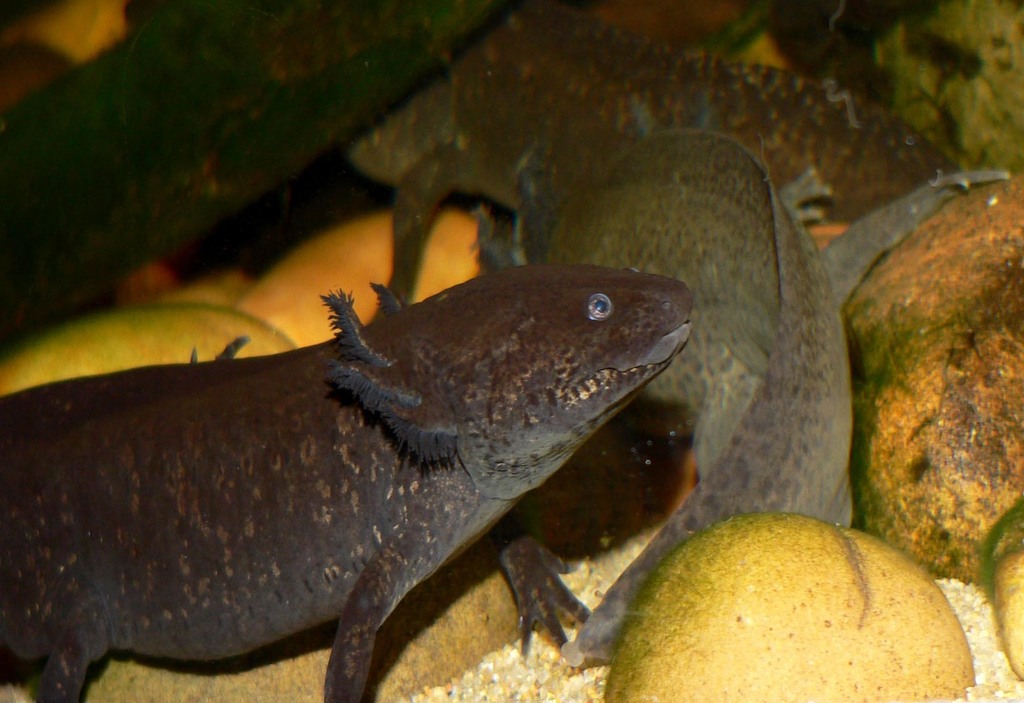
Axolotl (Ambystoma mexicanum), photographed in the wild
Photograph · Stan Shebs · CC BY-SA

ภาพถ่ายโดยผู้สังเกตการณ์บน iNaturalist เผยแพร่ภายใต้สัญญาอนุญาตครีเอทีฟคอมมอนส์ ชื่อผู้ถ่ายและสัญญาอนุญาตอยู่ใต้ภาพ ไม่ใช่ภาพของสัตว์ที่เราเลี้ยง

ค่าหลัก

Temperature

152025303540 °C
16–18°Ambient

One ambient band, 16–18°C. This sheet states no warm side, no cool side and no night figure, so none are shown. Same scale on every sheet here, so two species compare by eye.

The sheet statesWater 16-18 °C optimum; tolerance 14-20 °C; never >22 °C (fatal heat stress); aquarium chiller or fan mandatory in Thailand

UVB

Not needed for this species

Stated in the sheet, not inferred.

The sheet statesMinimal lighting (no UVB required); 12 h light / 12 h dark cycle; axolotl has no eyelids — provide shaded areas

ขนาดตู้
Aquarium 60–80 L minimum for one adult (90–120 L recommended); lid essential; no sharp-edged decorations
ความชื้น
Fully aquatic; pH 7.0–8.0; hardness GH 7–14; gentle filtration (no strong current); nitrogen cycle established before introduction

ข้อมูลชนิด

Adult size

1.75 m25–30 cm
1520100400 cm
25–30 cmNose to tail, adult

The size the sheet states for a grown animal.

Why

Two drawings, because they answer two questions. The silhouette is at true scale against a 1.75 m person: it says how big this animal actually is, which no number does for someone who has never seen one. The bar under it is logarithmic and shared by every sheet here, so a 2 cm isopod and a 4 m python both stay readable on the same axis and two species can be compared at a glance.

ขนาดโตเต็มวัย
25–30 cm (ลำตัว + หาง) ; ลูกอ่อน ~2 cm เมื่อฟัก
อายุขัย
10–15 ปีในกรงเลี้ยง ; สถิติสูงสุด >20 ปี
สถานะทางกฎหมาย
เปิดเสรี (CR ตาม IUCN ในธรรมชาติ ; CB แพร่หลาย)
ระดับความยาก
ผู้เริ่มต้น / ระดับกลาง
การอยู่ร่วมกัน
เลี้ยงรวมเฉพาะตัวที่มีขนาดใกล้เคียงกัน ; อาจเกิดการกินกันเองระหว่างตัวโตและลูกอ่อน

How common this animal is

1,427Live individuals in declared US trade filings

NOT a measure of how many are kept. These filings count animals shipped for any purpose, including the food trade and laboratory supply, and they are United States records only. The three largest volumes in the source belong to a food frog, a bait species and the standard laboratory amphibian.

US Fish and Wildlife Service LEMIS declared wildlife import and export records, as compiled in the received dataset

ตู้เลี้ยงและสภาพแวดล้อม

ตู้เลี้ยง / ตู้ปลา
ตู้ปลาขนาดอย่างน้อย 60–80 L สำหรับตัวโต (แนะนำ 90–120 L) ; ต้องมีฝาปิด ; ไม่ใช้ของตกแต่งที่มีขอบคม
อุณหภูมิ
น้ำ 16–18 °C เหมาะสมที่สุด ; ทนได้ 14–20 °C ; ห้ามเกิน 22 °C (ความเครียดจากความร้อนถึงตาย) ; จำเป็นต้องใช้เครื่องลดอุณหภูมิหรือพัดลมตู้ปลาในประเทศไทย
ความชื้น / น้ำ
อาศัยในน้ำทั้งหมด ; pH 7,0–8,0 ; ความกระด้าง GH 7–14 ; ระบบกรองอ่อนโยน (ไม่มีกระแสน้ำแรง) ; ต้องสร้างวงจรไนโตรเจนให้สมบูรณ์ก่อนนำสัตว์เข้า
แสงสว่าง / UVB
แสงสว่างน้อยที่สุด (ไม่ต้องการ UVB) ; รอบแสง 12 ชั่วโมงสว่าง / 12 ชั่วโมงมืด ; แอกโซโลเติลไม่มีเปลือกตา — ต้องจัดพื้นที่ร่มเงา
วัสดุรอง / การตกแต่ง
ทรายละเอียด (ขนาดเม็ด < 1 mm) หรือพื้นเปล่า ; ห้ามใช้กรวดที่กลืนได้ (เสี่ยงท้องอุดตัน) ; ที่ซ่อน (ท่อ PVC ต้นไม้ ถ้ำ)
อาหาร
ไส้เดือน (อาหารหลัก) เม็ดสำหรับแอกโซโลเติล/ซาลาแมนเดอร์ หนอนเลือด กุ้งสายน้ำ ; ให้อาหาร 2–4 มื้อ/สัปดาห์สำหรับตัวโต ; เก็บอาหารที่เหลือออกโดยเร็ว

What your climate adds

This sheet states a range to hold. Your local climate decides how much work holding it is. Pick the nearest city: nothing is sent anywhere, the choice stays in this browser.

การสืบพันธุ์

Life course

Day 0Hatch
10–15 yrLifespan in care
10 yrMinimum commitment
Sexual maturityNot in our data

Read from the lifespan and maturity the sheet states, for animals in care and not in the wild.

Why

The minimum commitment is the low end of that lifespan, and the reproductive window is what is left after maturity: both are subtractions on stated figures, not figures of their own.

การแยกเพศ
♂ : ช่องระบาย (cloaca) พองโตและยาวมาก ; ♀ : ท้องกว้างกว่า ช่องระบายแบน
วัยเจริญพันธุ์
6–12 เดือน ขึ้นอยู่กับอุณหภูมิและอาหาร
การกระตุ้นการผสมพันธุ์
จำลองฤดูเย็น : ลดอุณหภูมิน้ำลงที่ 14–16 °C เป็นเวลา 4–6 สัปดาห์ จากนั้นค่อยๆ เพิ่มขึ้นสู่ 18–20 °C ; เปลี่ยนน้ำเย็นบางส่วน
การวางไข่
♂ วางสเปิร์มาโตฟอร์ ; ♀ รับและวางไข่ 100–1 500 ฟองบนต้นไม้หรือหิน ภายใน 24–48 ชั่วโมง ; นำตัวโตออกหลังวางไข่
ลูกอ๊อด / การแปลงร่าง
สายพันธุ์ neotenic บังคับ : ไม่มีการแปลงร่างตามธรรมชาติ ; ลูกอ่อนมีเหงือกเป็นพุ่มตลอดชีวิต ; ฟัก 14–21 วัน (ตามอุณหภูมิ) ; ว่ายน้ำเองได้ราววันที่ 15–21
การเลี้ยงลูกอ่อน
แยกตามขนาด (ป้องกันการกินกันเอง) ; ให้แดฟเนีย อาร์ทีเมีย หนอนขาวตั้งแต่วันที่ 3–5 ; รักษาน้ำให้เย็น ; สัปดาห์แรกมีความสำคัญต่ออัตราการรอดชีวิต

ปัญหาสุขภาพที่พบบ่อย

โรค Chytridiomycosis (Bd)
อาการสูญเสียสีผิว เซื่องซึม ผิวลอก — แช่ itraconazole 0,01 % / 5 นาที × 11 วัน ; พบได้น้อยในแอกโซโลเติลแต่เป็นไปได้
บวมน้ำ / บวมใต้ผิวหนัง
อาการก้อนบวมใต้ผิวหนัง สาเหตุจากแบคทีเรียหรือไต — กักกัน ให้ยาปฏิชีวนะโดยสัตวแพทย์
ท้องอุดตัน
อาการกลืนกรวดหรือวัสดุรองหยาบ — ผ่าตัดโดยสัตวแพทย์ ; ป้องกันด้วยทรายละเอียด
การติดเชื้อรา (Saprolegnia)
อาการจุดสีขาวเป็นปุยบนผิวหนังหรือเหงือก — ปรับปรุงระบบกรอง เกลือสำหรับตู้ปลา 1 g/L อุณหภูมิต่ำ
การกักโรค
อาการอย่างน้อย 30 วันในตู้ปลาแยกที่ 16–18 °C ; สังเกตท่าทาง ความอยากอาหาร เหงือก (เป็นพุ่ม = สัญญาณดี) ; ตรวจ Bd หากมาจาก WC หรือไม่ทราบแหล่งที่มา ; ห้ามนำตัวที่มีเหงือกลีบหรือมีรอยโรคที่ผิวหนังเข้ารวมโดยไม่ปรึกษาสัตวแพทย์

เกร็ดน่ารู้

  • Neoteny บังคับ : แอกโซโลเติลไม่สามารถแปลงร่างได้เองตามธรรมชาติ — ห้ามฉีดไอโอไดด์ (ฉีด T4) หากไม่อยู่ภายใต้การดูแลทางวิทยาศาสตร์อย่างเคร่งครัด
  • การลดอุณหภูมิน้ำจำเป็นอย่างยิ่งในกรุงเทพฯ (อุณหภูมิอากาศ 28–35 °C) : ใช้ chiller หรือพัดลมเหนือผิวน้ำ ; ตรวจวัดอุณหภูมิทุกวันในฤดูร้อน
  • มีความสามารถในการงอกใหม่ของขา เหงือก และแม้แต่บางส่วนของหัวใจที่โดดเด่น — อย่าสับสนระหว่างขาที่กำลังงอกใหม่กับบาดแผลติดเชื้อ
  • มอร์ฟ GFP (Green Fluorescent Protein) : เรืองแสงได้ภายใต้แสง UV — ไม่มีผลต่อการดูแล เป็นเพียงความสวยงาม
  • Neoteny บังคับ : แอกโซโลเติลไม่สามารถแปลงร่างได้เองตามธรรมชาติ — ห้ามฉีดไอโอไดด์ (ฉีด T4) หากไม่อยู่ภายใต้การดูแลทางวิทยาศาสตร์อย่างเคร่งครัด
  • มีความสามารถในการงอกใหม่ของขา เหงือก และแม้แต่บางส่วนของหัวใจที่โดดเด่น — อย่าสับสนระหว่างขาที่กำลังงอกใหม่กับบาดแผลติดเชื้อ
  • มอร์ฟ GFP (Green Fluorescent Protein) : เรืองแสงได้ภายใต้แสง UV — ไม่มีผลต่อการดูแล เป็นเพียงความสวยงาม

คำถามที่พบบ่อย EN

Does it stay in water all the time, or does it need dry land?

Fully aquatic for its whole life, so no land area is needed. Just a wide tank with gentle filtration; adults reach roughly 25 cm.

Do I really need a chiller here in Thailand?

Honestly, yes. Axolotls need genuinely cool water and our room temperature is too warm for them year round, so budget for a chiller from the start.

Can I pick it up and hold it?

Better not to. Their skin and external gills are very delicate, so move them with a soft net or scoop them in a container of water instead.

Can I keep two in the same tank?

Only if they are a similar size, in a big tank, and fed separately. A smaller or hungry one will get its gills and legs bitten.

อุปกรณ์ที่ต้องมี EN

A thermometerbecause tempWater 16-18 °C optimum; tolerance 14-20 °C; never >22 °C (fatal heat stress); aquarium chiller or fan mandatory in Thailand
No UVB: the sheet states none is neededbecause uvbMinimal lighting (no UVB required); 12 h light / 12 h dark cycle; axolotl has no eyelids - provide shaded areas
Not stated: The size of the enclosurethis sheet describes the enclosure without a figure: « Aquarium 60–80 L minimum for one adult (90–120 L recommended); lid essential; no »

Every line above is deduced from a value this sheet states, and names which one. Nothing here is a general recommendation. What the sheet does not state is listed too, rather than left out: a kit that looks complete is worse than one that names its gap.

แหล่งอ้างอิง

ชนิดอื่นในกลุ่มเดียวกัน

What this sheet states

62%
TemperatureHumidityEnclosure sizeActivityOriginDietSourcesUVB

This sheet states 4 of 7 of the fields this product runs on. What is missing turns something off: humidity instrument and audit, day/night engine and awake count on the globe, the diet section. We show the gap rather than fill it with a plausible number.

UVB is measured but does not count: it is absent from 421 of 678 sheets, and on most of them that is not a gap, since a nocturnal snake's sheet has no reason to state a UV index. Counting it would call the library incomplete without cause.